Challenges of Interoperability of Digital Health Tools in Healthcare Systems in Lagos State
68% of surveyed Lagos facilities run EHRs that cannot talk to each other. Patients wait 45 minutes longer because of it.
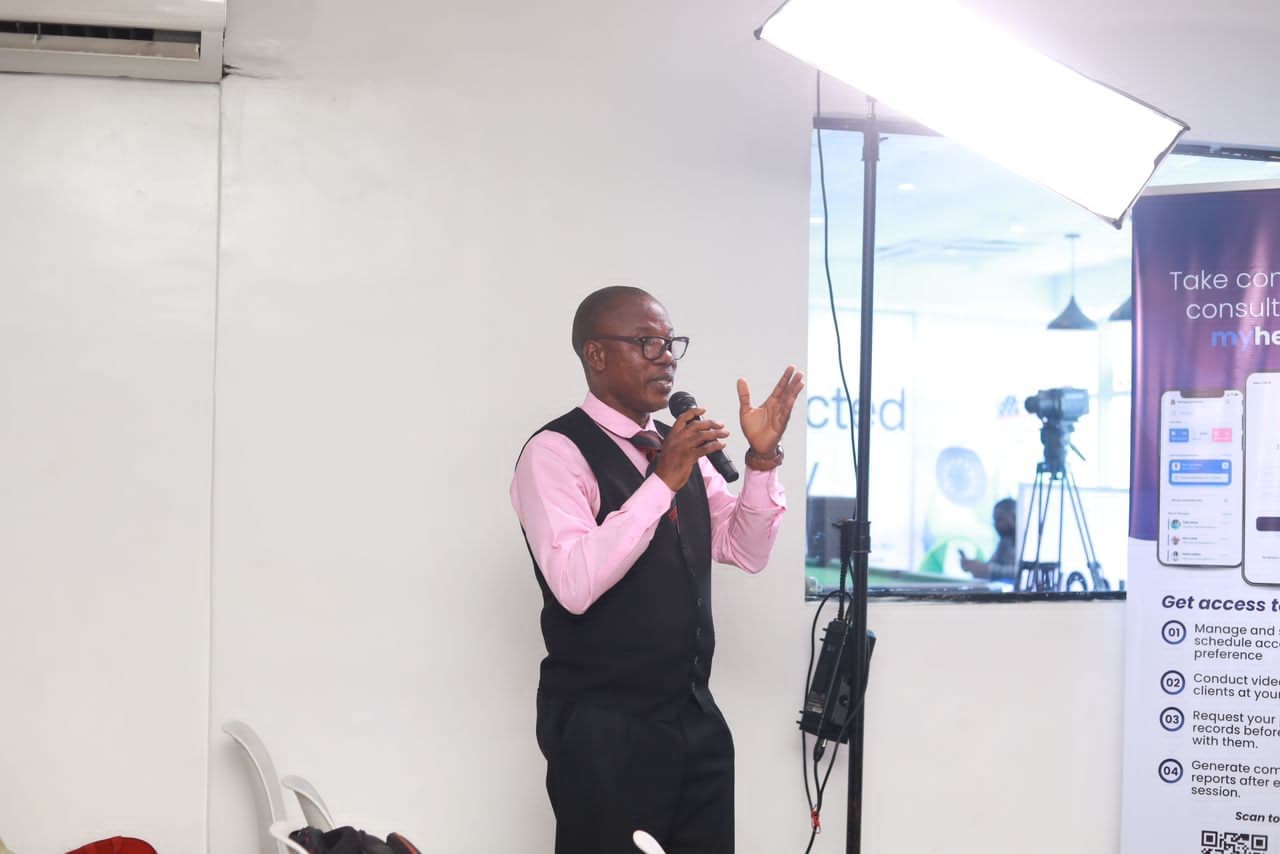
Dr. Raphael Akangbe (Ph.D)
Co-Founder, Xeventy2.0 Health Limited | Digital Health & Health Informatics Expert
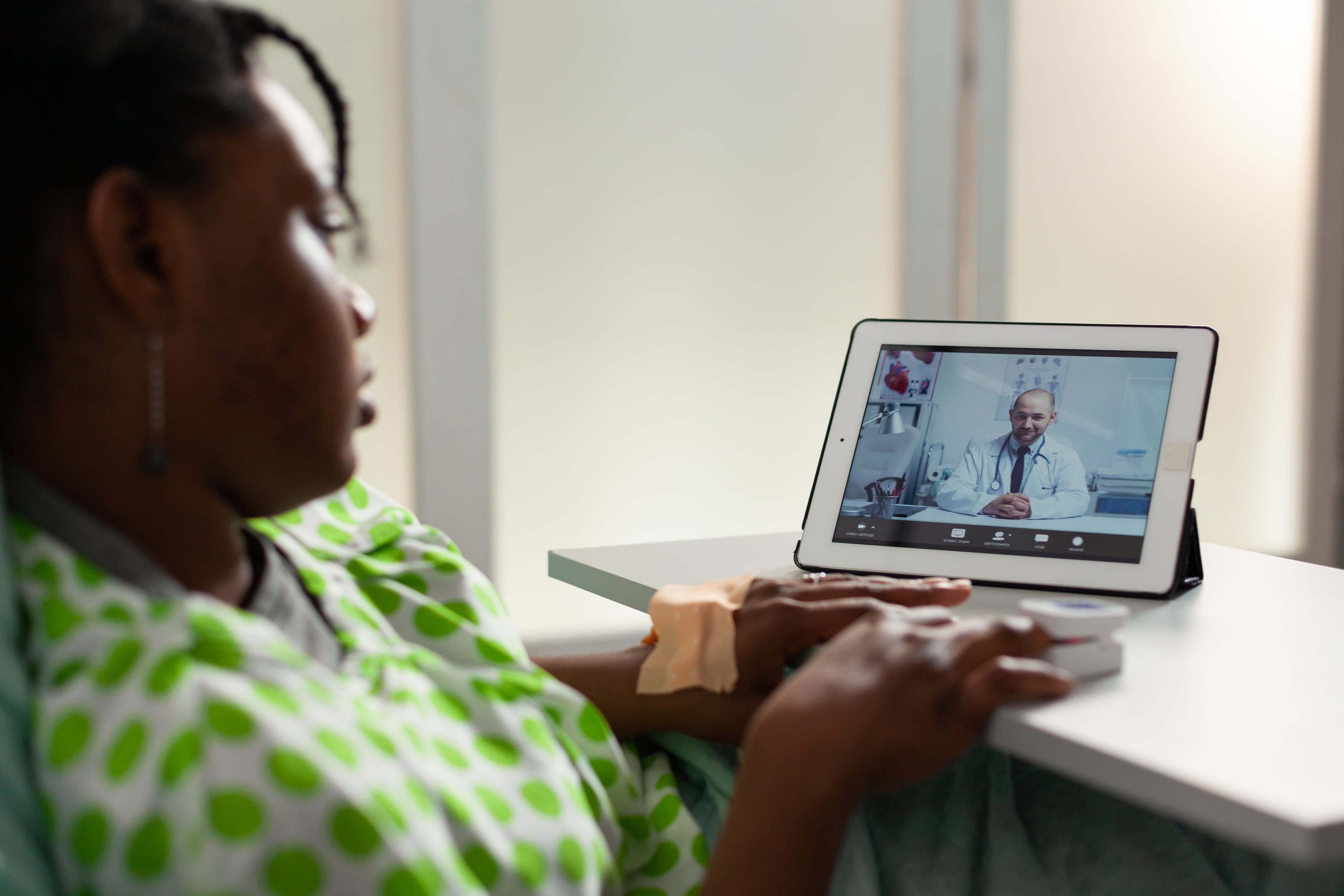
Digital health tools have changed healthcare delivery in Lagos State. What has not changed is that they mostly cannot talk to each other. This study measures what that costs.
Method
A mixed-methods approach: quantitative analysis of healthcare facility data combined with qualitative interviews of healthcare professionals, using regression analysis and correlation coefficients to assess the effect of interoperability on patient outcomes and hospital efficiency.
Findings
Fragmented systems. Of 50 healthcare facilities surveyed, 68% use different EHR systems that are not interconnected. Pearson correlation showed a strong negative relationship between system fragmentation and efficiency of patient data retrieval (r = 0.72, p < 0.05).
Data silos and duplicated work. Over 75% of providers reported re-entering the same data because systems are not integrated. A chi-square test found significant differences in workflow efficiency between integrated and non-integrated facilities (χ² = 23.56, p < 0.01).
Delayed care. Non-interoperable systems increased patient wait times by an average of 45 minutes per visit (t-test, p < 0.05) — a delay that matters most exactly where it is least affordable, in emergency response.
Security. Facilities lacking interoperability had a 35% higher incidence of data breaches (ANOVA, p < 0.01). Fragmentation is not a neutral inconvenience; it is a security posture.
Barriers
- No standardised data protocols — the state has no unified digital health standard.
- Resistance to change — providers are reluctant to leave legacy systems.
- Financial constraints — interoperability solutions are expensive to adopt.
- Weak policy enforcement — digital health policy is applied inconsistently.
Recommendations
- A statewide Health Information Exchange (HIE) to enable seamless data sharing.
- Adoption of standardised data formats — HL7 and FHIR.
- Government-funded interoperability initiatives covering both private and public
facilities.
- Workforce training to improve digital literacy and system adoption.
Conclusion
The lack of interoperability among digital health tools in Lagos State is a significant obstacle to efficient healthcare delivery. With the right policies, technology standards and investment, Lagos can build an integrated healthcare ecosystem — improving both patient outcomes and operational efficiency.
The full paper
This is a summary. The complete paper, with its methodology and references, is available in full.
Written by Dr. Raphael Akangbe (Ph.D) · 20 August 2026