
Integration of African Traditional Medicine Digitization to Complement Orthodox Healthcare Systems in West Africa
Roughly 80% of West Africans already use traditional medicine. Digitising it is how the two systems stop working around each other.
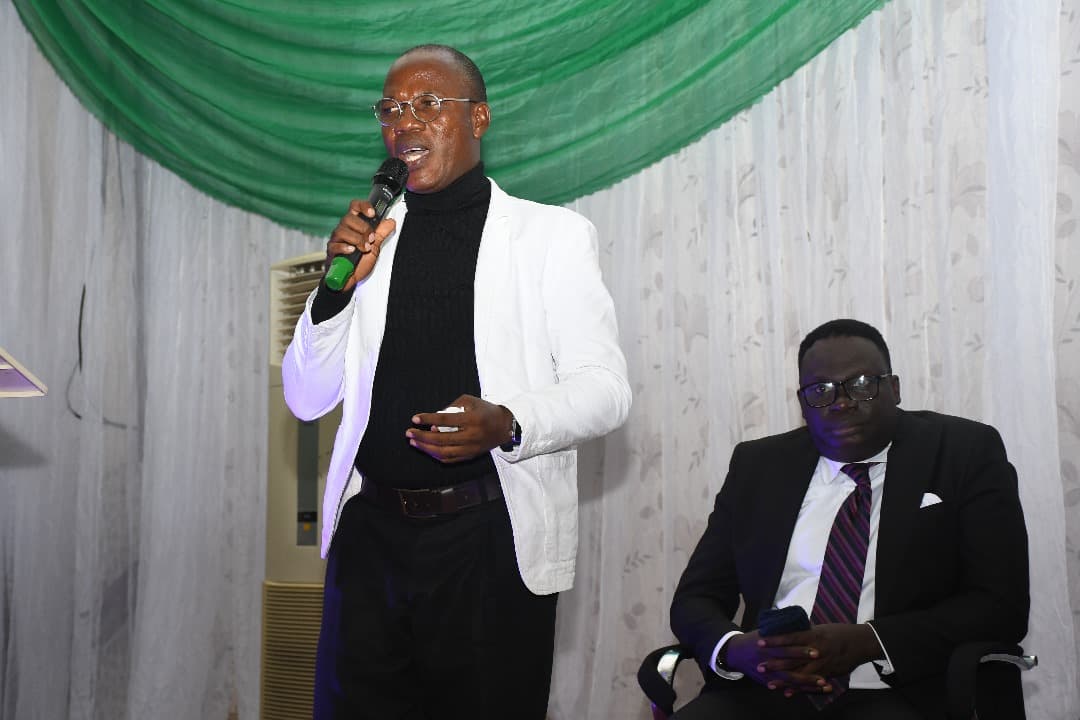
Dr. Raphael Akangbe (Ph.D)
Co-Founder, Xeventy2.0 Health Limited | Digital Health & Health Informatics Expert
Traditional medicine has been part of West African healthcare for centuries, and it has not gone anywhere. In Nigeria, Ghana, Senegal and Mali, the World Health Organization estimates that around 80% of the population relies on it for primary healthcare — a proportion that rises further outside the cities, where access to orthodox care is thinnest.
Formal health systems in the region, meanwhile, are organised almost entirely around Western medicine. The result is not one healthcare system with two traditions inside it, but two systems that largely ignore each other, with the patient moving between them unrecorded.
This paper argues that digitisation is the practical bridge.
What digitising traditional medicine means
Recording and organising traditional medical knowledge, remedies and practices in a structured digital form: platforms, mobile health applications and databases covering herbal treatments and indigenous healing practices.
The paper identifies four benefits:
- Standardisation. Practice varies widely between regions. A shared record makes
remedies, dosages and applications consistent enough to be safe.
- Access to evidence. Once traditional knowledge sits in a digital health
platform, it can carry evidence alongside it, and be combined with orthodox protocols rather than kept separate from them.
- Preservation. Much indigenous knowledge is held by individuals and is being
lost to modernisation. Recording it keeps it.
- Collaboration. A shared platform gives traditional healers and orthodox
providers somewhere to meet and cross-reference treatment.
What the region has already built
Nigeria. The Nigerian Natural Medicine Development Agency (NNMDA) has worked to document traditional medicine and bring it into the formal sector, with digitisation projects under development to build a database of local medicinal plants and their uses.
Ghana. The Centre for Plant Medicine Research at Mampong, a government-sponsored institution, digitises research and records on medicinal plants and makes the data accessible to healthcare providers.
Senegal. Mobile platforms document and share traditional treatments in rural areas, letting patients consult healers online while also receiving guidance on orthodox treatment — a hybrid model in practice rather than in theory.
What stands in the way
- Lack of standardisation. Practice is local, and varies between communities.
- Regulation. Governments need frameworks that protect patients and
practitioners while establishing efficacy.
- Digital literacy. Many traditional healers do not use digital tools and would
need training and support to take part at all.
The numbers
- 80–90% of rural populations rely on traditional medicine for primary healthcare.
- Nigeria has an estimated 200,000+ practising traditional healers, of whom only
a small percentage hold any formal recognition in the healthcare system.
- About 60% of Ghana's population still uses traditional medicine.
- In a Mali study, 70% of respondents said they would prefer a hybrid system
combining orthodox and traditional treatment.
Conclusion
Digitising traditional medicine and integrating it with orthodox systems is a workable route to better healthcare access and quality in West Africa. It gives patients a more holistic form of care — one that respects cultural practice while using what modern medicine has established.
The full paper
This is a summary. The complete paper, with its methodology and references, is available in full.
Written by Dr. Raphael Akangbe (Ph.D) · 18 September 2026